
Live Streaming vs. Hybrid Conferencing: What’s the Difference?
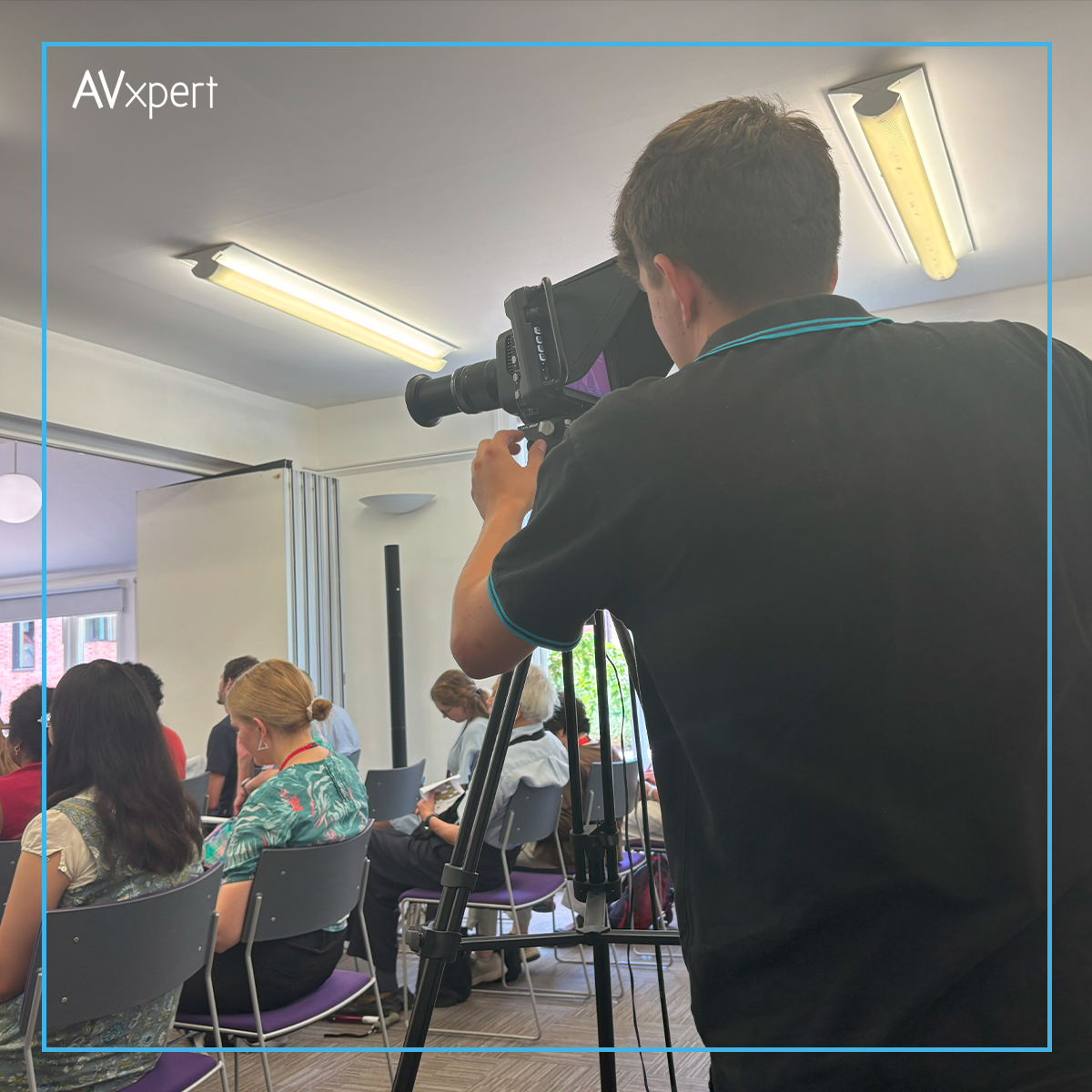
As businesses continue to embrace new ways of connecting with their audiences, live streaming and hybrid conferencing have become increasingly popular elements of modern corporate events. At AV Xpert, we offer both as part of our live event services, helping organisations connect with audiences wherever they are.
Below, we explore how live streaming and hybrid conferencing differ, so you can choose the right solution for your event.
What is Live Streaming?
Live streaming is the process of broadcasting an event in real time over the internet, giving people who cannot attend in person the opportunity to watch remotely from wherever they are. Your remote audience can log in online to experience your event as it happens.
At AV Xpert, we specialise in delivering professional live streaming services for corporate clients. Whether you are hosting a conference, auction, fundraiser, awards ceremony, or any other type of corporate event, our experienced team ensures your broadcast is delivered with exceptional quality and reliability. We use high-quality cameras, professional audio equipment and reliable streaming technology to create a polished production that reflects your brand.
What is Hybrid Conferencing?
Hybrid conferencing combines a traditional in-person conference with virtual participation. Instead of choosing between a physical event or an online event, a hybrid conference allows you to deliver both simultaneously.
The key difference between live streaming and hybrid conferencing lies in how your remote audience participates. With a live stream, online viewers are primarily there to watch the event as it unfolds. While they may be able to submit questions or comments, the experience is largely one-way, with the focus on delivering a high-quality broadcast to a remote audience.
Hybrid conferencing, on the other hand, is designed to create a shared event experience between attendees in the room and those joining remotely. Virtual participants are not simply watching the conference - they are actively taking part. They can engage in live discussions, ask questions, respond to polls, and collaborate alongside those attending in person.
A hybrid conference allows virtual guests to watch presentations, keynote speeches and panel discussions in real time while also participating in the event through interactive features such as live Q&A sessions, audience polling and chat functions. This helps create meaningful engagement between in-person and remote attendees, ensuring everyone feels like part of the same event.
At AV Xpert, we take this two-way experience further by bringing remote participants directly into the room. Using their webcam, a remote speaker can present to the in-person audience on the main screen, just as though they were standing on the stage. Equally, where there is a remote panel or a wider group of remote attendees, they can be shown on a secondary display within the room, so those present can see them clearly and interact with them in real time. The result is a genuinely two-way event, with a seamless experience for everyone involved, whether they are in the room or joining remotely.
Which Option is Right for Your Event?
The right solution depends on the objectives of your event. If your goal is to deliver a broadcast to remote viewers, live streaming is a good option. If, however, you need online attendees to participate actively alongside those in the room, hybrid conferencing provides what you need to create a connected experience.
At AV Xpert, we understand that every event is different. Our dedicated account managers work closely with every client to understand their requirements before creating a bespoke solution tailored to their needs.
Whether you require professional live streaming or hybrid conferencing, AV Xpert has the expertise, equipment and experience to deliver exceptional results.
To discuss your next event, visit our Live Streaming or Hybrid Conferencing pages, or contact us today to find out more.